

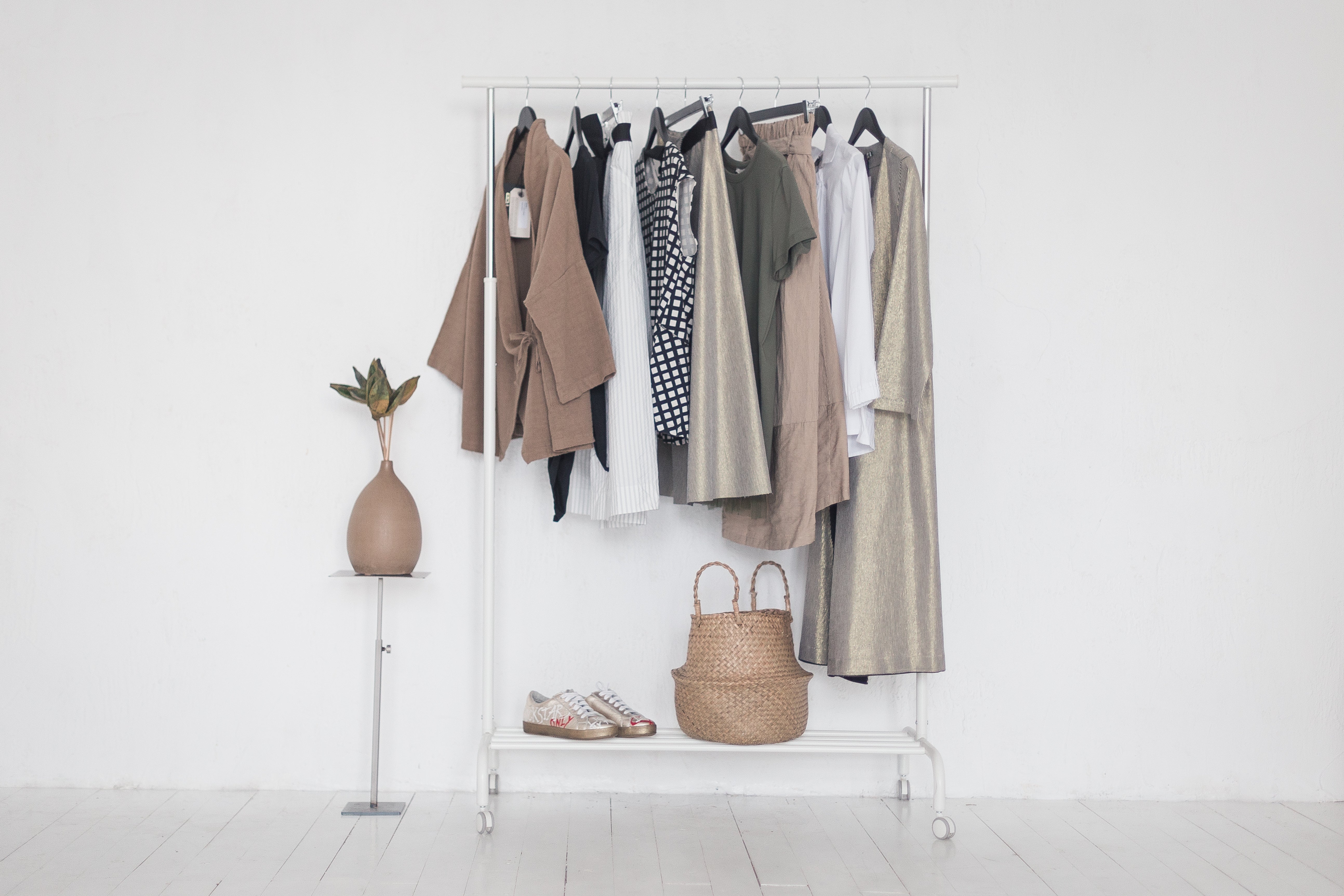
High Street Fashion: Sales Over Substance – Why It's All So Boring Now
Hey fashion lovers (or haters), ever scroll through your favorite high street site's "new arrivals" and think, "Wait, didn't I see this last season... and the one before?" You're not alone. Brands like Zara, H&M, and Forever 21 are churning out clothes faster than you can say "add to cart," but at what cost? Spoiler: It's originality and quality taking the hit. In this quick read, we'll break down how the relentless focus on sales is turning fashion into a yawn-fest. Let's dive in – promise it'll be snappy.
The Sales-First Obsession: Quantity Over Quality
High street giants prioritize one thing: moving units. Their business model thrives on fast fashion – cheap, trendy pieces produced at lightning speed to keep shelves (and online stores) stocked. But this means cutting corners on materials and craftsmanship. Why invest in durable fabrics or innovative designs when low-cost synthetics sell out in days?
According to industry insights, fast fashion reduces production costs by using cheap materials like polyester, leading to low-quality items that don't last. The goal? Encourage you to buy more, more often. No wonder your wardrobe feels disposable.
Recycling Best-Sellers: A Minor Tweak Here, a Color Swap There
Here's the real kicker: Once a style hits big, these brands don't innovate – they iterate. A best-selling dress? Re-release it in a new color, swap the fabric, or add a tiny detail like a different hem. Boom, "new" collection.
This isn't accidental. Fashion insiders confirm that companies copy their own successful products to maintain brand image and boost sales without risking flops. It's efficient for profits but kills creativity. Trends recycle endlessly, from archival reissues to the same silhouettes in fresh palettes. Result? Everything looks the same.
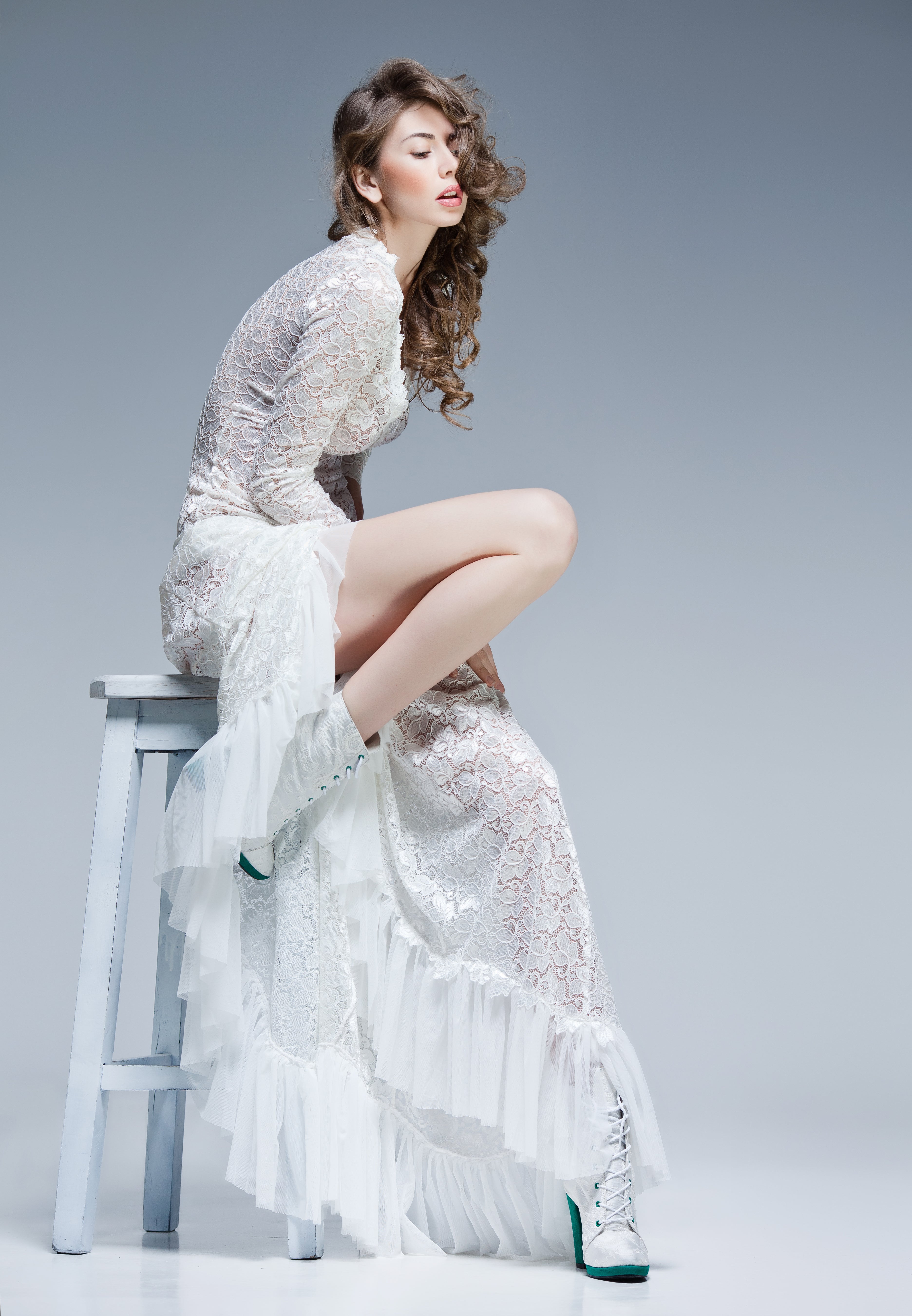
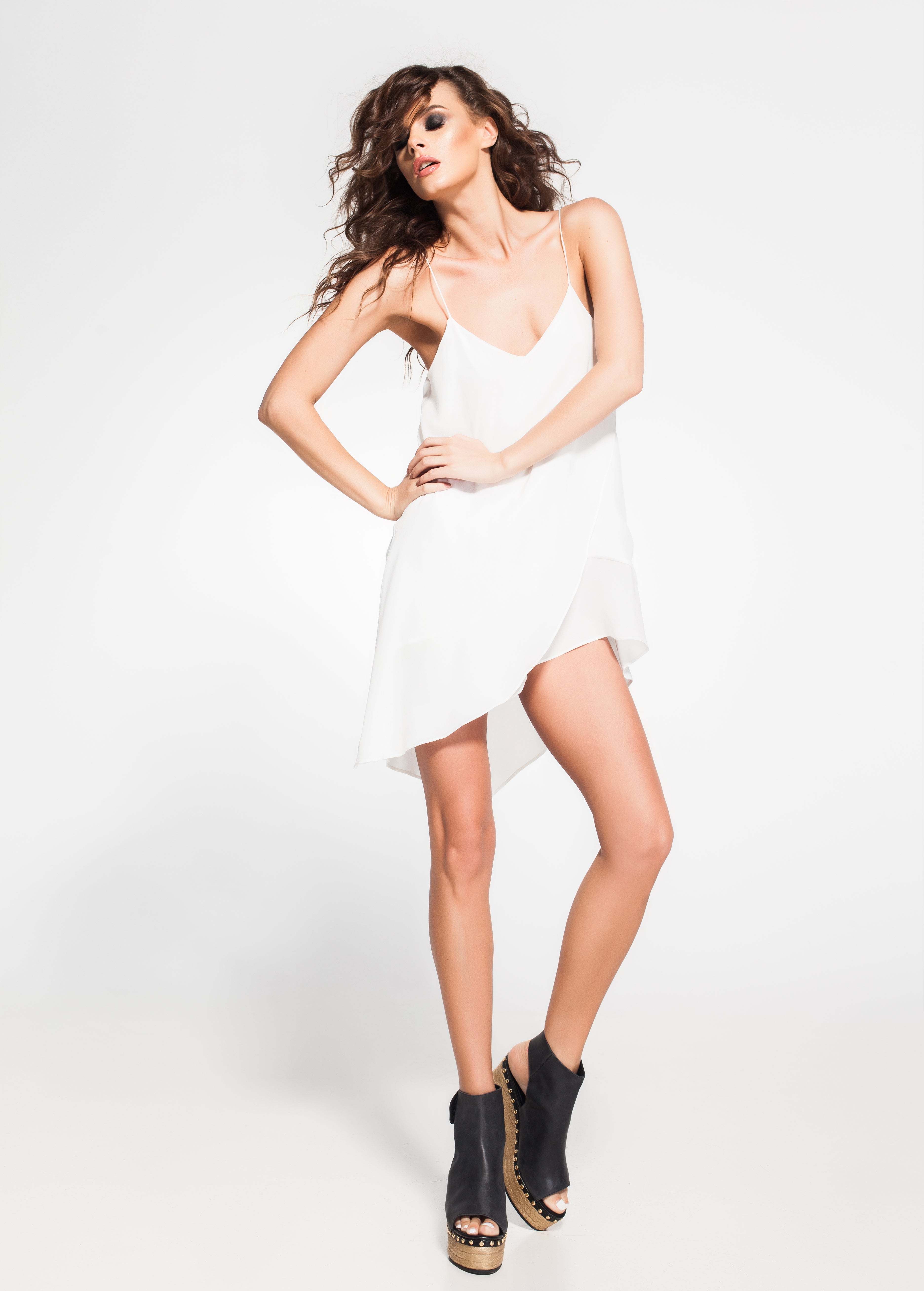
Take a look at these examples of how designs get duplicated with tweaks – it's like spot the difference, but not in a fun way.
Why This Makes Modern Fashion Boring as Hell
Repetition breeds boredom. When every high street rack is flooded with variations of the same "it" item, fashion loses its spark. No more bold risks or fresh ideas – just safe bets on what sold before. The industry feels tired and out of step, with shorter trend cycles leaving us all in a loop of sameness.
Plus, this copy-paste approach extends beyond internals; brands often rip off independent designers too, flooding the market with knockoffs. Creativity? Stifled. Excitement? Gone.
Breaking the Cycle: Time for Change?
So, what's the fix? Support indie brands pushing original, quality pieces – even if it means buying less. Thrift, upcycle, or demand better from big players. Fashion should thrill, not bore. What do you think – ready to ditch the duplicates?
Thanks for reading! Drop your thoughts below. Stay stylish (and original).

Written by Martine Vander Vinck
,%20ever%20scroll%20through%20your%20favorite%20high%20street%20site's%20%22new%20arrivals%22%20and%20think,%20%22Wait,%20didn't%20I%20see%20this%20last%20season...%20and%20the%20one%20before?%22%20You're%20not%20alone.%20Brands%20...)